As winter settles across Northern Colorado, many vehicle owners start wondering whether it is still safe to install paint protection film (PPF) during the colder months. Since PPF plays such a crucial role in guarding your paint from rock chips, UV exposure, road debris, and harsh winter conditions, the timing of installation matters. But is there such a thing as “too cold” for PPF?
The short answer: yes, temperature affects the installation outcome. But with professional equipment, controlled indoor conditions, and experienced paint protection film installers near me in Fort Collins, CO, winter installations can still be done correctly.
At KCL Creations, we commonly install PPF throughout the winter season—because when handled properly, cold weather does not have to stop you from protecting your vehicle’s finish.
Why Cold Temperatures Affect PPF Installation?
PPF is a precision-based product. To perform well, both the adhesive layer and the film itself must remain flexible and able to bond smoothly to your vehicle’s surface. When temperatures drop too low, several issues can arise:
1. The Film Becomes Stiff
PPF is designed to contour to body lines, edges, curves, and bumpers. In cold weather, the film loses flexibility, making it harder to stretch or shape correctly.
2. Adhesive Bonding Weakens
The adhesive layer needs warmth to activate and chemically bond with the clear coat. If the environment is too cold, the bond may not form correctly, which can cause:
- premature lifting
- bubbling
- trapped moisture
- reduced durability
3. Condensation Forms Easily
Cold weather plus humidity equals condensation. When moisture gets trapped between the film and the paint, the installation is compromised from the start.
4. Longer Curing Times
Even when PPF is applied in a warm environment, cold exterior temperatures can slow down curing once the vehicle leaves the shop.
How Professional Installers Handle Winter PPF Installation?
Experienced shops like KCL Creations control the entire environment to protect the film and guarantee proper adhesion. Here’s how:
Controlled Indoor Temperatures
We install PPF in a fully heated, temperature-controlled facility. This ensures both the film and vehicle surface stay within the ideal range of 60°F to 75°F.
Pre-Warming the Film
The film is gently warmed before application to restore its flexibility. This makes the material easier to stretch and conform.
Pre-Warming the Vehicle
A cold vehicle surface can instantly reduce adhesion. We warm the panels to ensure an optimal bond.
Slow, Controlled Curing
After installation, the vehicle remains indoors long enough for the adhesive to stabilize, preventing moisture buildup or premature lifting.
Professional Equipment
Infrared curing lights, precision heat guns, and specialized chemical slip solutions all help create a flawless installation regardless of outside temperature.
The key takeaway: PPF shouldn’t be installed in the cold outdoors, but with the right environment and a skilled team, winter installation is completely safe.
Why Install PPF Before Winter Instead of Waiting for Spring?
Delaying installation may leave your paint vulnerable during the season when it needs the most protection.
Winter hazards include:
- sand and gravel from icy roads
- magnesium chloride and road salt
- Snow brushes scraping your clear coat
- cold-weather chips from frozen debris
- harsh UV exposure reflecting off snow
PPF acts as a sacrificial barrier, preventing these threats from damaging your paint.
If you’re searching for paint protection film installers near me in Fort Collins, CO, now is actually one of the best times to get protected before the harshest weather arrives.
Frequently Asked Questions:
1. Is it safe to install PPF in winter?
Yes, as long as the installation takes place indoors in a temperature-controlled environment. Outdoor or mobile PPF installations in cold weather should be avoided.
2. Does cold weather affect how long PPF lasts?
If installed correctly, winter does not shorten the lifespan of PPF. Issues only occur when improper temperature conditions affect adhesion during installation.
3. Will the film lift or bubble if applied in cold temperatures?
Not when installed professionally. Bubbles and lifting usually result from poor temperature regulation, condensation, or inexperience.
4. How long does PPF take to cure in the winter?
Most films begin curing immediately and stabilize fully within 24–48 hours. In colder seasons, installers may keep the vehicle warm longer to ensure proper bonding.
5. Should I wait for warmer weather?
If you leave your paint unprotected during winter, you risk stone chips, chemical damage, and scratches. With a controlled installation environment, there is no need to wait.
6. Does PPF protect against winter road salt?
Yes. PPF is one of the most effective barriers against corrosive chemicals and abrasive winter debris.
Protect Your Paint This Winter with KCL Creations
If you’re ready to safeguard your vehicle with high-quality paint protection film, trust the experts at KCL Creations. We provide precise, temperature-controlled winter installations for drivers throughout Loveland, Fort Collins, Longmont, Boulder, Greeley, Timnath, Windsor, Wellington, Eaton, Pierce, Milliken, Johnstown, Erie, Thornton, Westminster, Severance, Brighton, Berthoud, Ault, and even Cheyenne, WY.
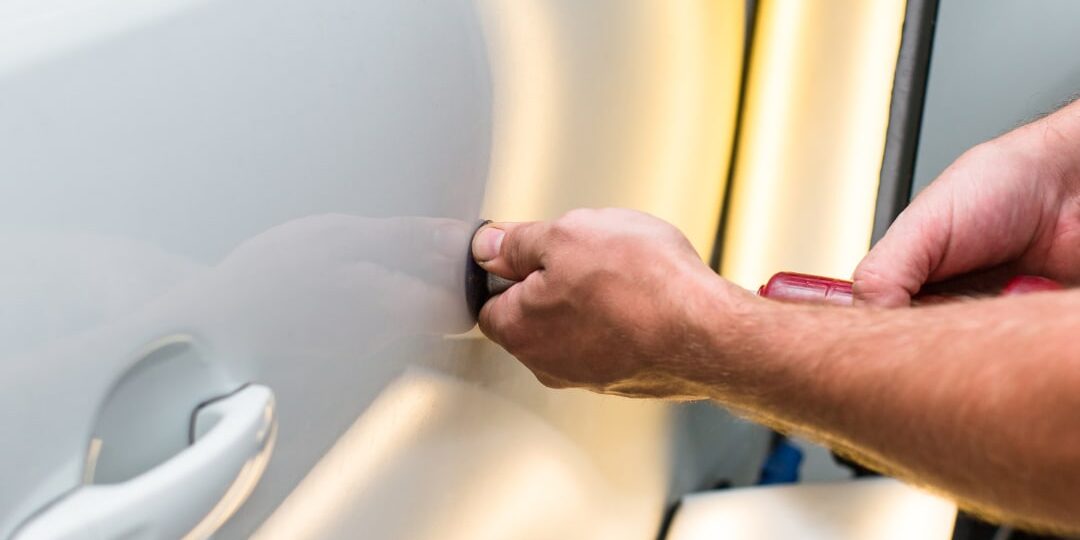
For drivers across Northern Colorado and surrounding areas, our team specializes in both paintless dent repair and professional paint protection film installation to keep vehicles looking like new.
Our team uses premium films, cutting-edge tools, and meticulous installation techniques for long-lasting protection.
Call KCL Creations today at (970) 292-6817 or request your PPF estimate online.
Your paint deserves the best protection—no matter the season.