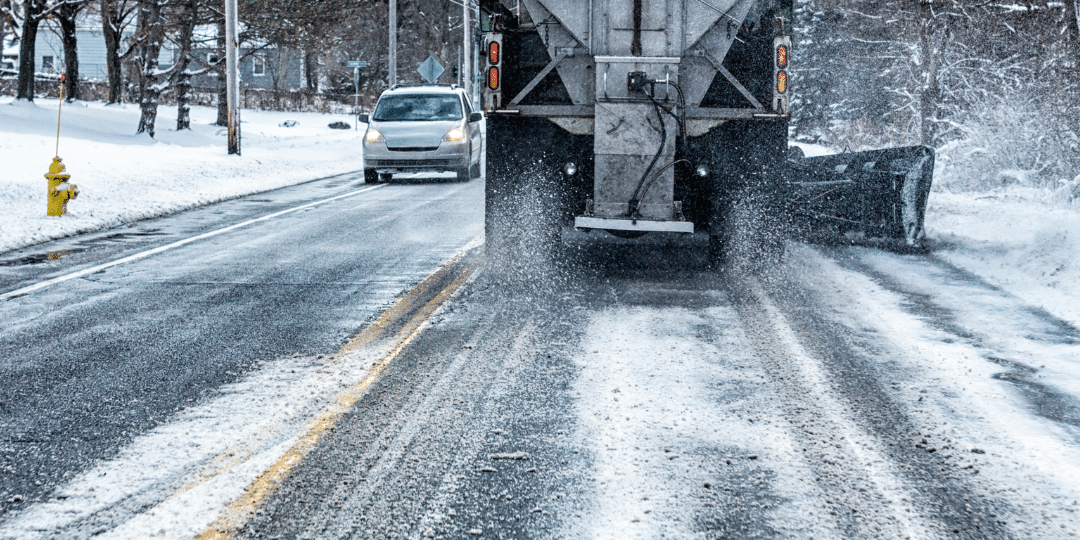
Winter driving in Fort Collins brings more than snow and ice. Road salt, sand, and chemical de-icers are heavily used to keep streets safe, but they can be harsh on your vehicle’s exterior. If you’ve invested in paint protection film services in Fort Collins, CO, understanding how winter road salt interacts with your film is crucial for protecting both the film itself and the underlying paint.
At KCL Creations, we work with Northern Colorado drivers year-round and see firsthand how winter conditions impact vehicles with and without protection. Let’s break down what road salt does, how vehicle paint protection film helps, and what proper winter maintenance looks like.
Why Fort Collins Road Salt Is Tough on Vehicles?
Road salt is effective at lowering freezing points on pavement, but it is also highly corrosive. When salt mixes with melting snow and moisture, it creates a chemical solution that aggressively attacks exposed metal and clear coat surfaces.
Over time, untreated paint can:
- Lose gloss and clarity
- Develop micro-pitting in the clear coat
- Allow corrosion to begin in chips or scratches
- Experience accelerated paint failure around edges and seams
This is where paint protection film plays a critical role during Colorado winters.
How Paint Protection Film Shields Against Road Salt?
High-quality paint protection film serves as a sacrificial layer, shielding your factory paint from winter contaminants. When professionally installed, Paint Protection Film Fort Collins, CO provides several winter-specific benefits:
Chemical Resistance
Modern PPF is engineered to resist harsh chemicals, including calcium chloride and magnesium chloride, commonly used on Fort Collins roads. Salt stays on the film instead of bonding to your clear coat.
Impact Protection
Road sand and salt granules act like abrasives at highway speeds. PPF absorbs these impacts, preventing rock chips that can become rust entry points during winter.
Hydrophobic Surface
Most premium films feature water-repelling properties. This reduces how long salty moisture clings to the surface, making winter washing more effective.
Paint Preservation
By keeping salt away from factory paint, vehicle paint protection film in Fort Collins, CO, helps maintain original finish integrity, which directly supports long-term vehicle value.
What Happens If Winter Salt Is Left on PPF Too Long?
While paint protection film is durable, it is not maintenance-free. Neglect during winter can still cause issues over time.
Salt buildup can lead to:
- Dull or cloudy appearance on the film
- Edge contamination that weakens adhesion
- Staining if contaminants bake onto the surface
- Premature wear in high-impact zones
If the film becomes damaged and salt reaches the paint beneath, corrosion risk increases quickly in cold conditions.
Winter Maintenance Tips for Vehicles with PPF in Fort Collins
Proper care keeps your protection performing through the coldest months.
Rinse Frequently
Even a quick rinse helps remove salt residue before it settles. Focus on lower panels, bumpers, and behind wheel wells where buildup is heaviest.
Use Gentle Cleaning Methods
Stick to pH-neutral soaps and soft wash tools. Avoid abrasive brushes or harsh chemicals that can damage the film surface.
Inspect the Film Regularly
Look for lifted edges, chips, or tears. Small issues can be repaired early before salt penetrates underneath.
Indoor Washing Is Ideal
During extreme cold, touchless or professional washes help prevent freezing moisture from sitting on the film overnight.
PPF and Ceramic Coating: A Winter-Proof Combination
Many Fort Collins drivers choose to layer ceramic coating over their paint protection film. This combination enhances chemical resistance, adds slickness, and makes winter cleaning significantly easier.
Ceramic coating does not replace PPF, but it adds another line of defense against salt, grime, and winter contaminants, especially for daily drivers.
Why Professional Installation Matters in Winter Climates?
Film quality and installation technique make a significant difference in how well PPF performs during winter. Proper edge sealing, surface prep, and material selection ensure that salt and moisture cannot work their way under the film.
At KCL Creations, we install paint protection systems designed specifically for Colorado weather, ensuring durability through freeze-thaw cycles and heavy road treatment seasons.
Frequently Asked Questions About PPF and Winter Road Salt
Does road salt damage paint protection film?
Salt does not typically break down quality film, but prolonged exposure without cleaning can affect appearance and edge adhesion.
Should I remove PPF before winter?
No. Paint protection film is especially valuable during winter when salt and debris are at their worst.
How often should I wash my car with PPF in winter?
Ideally, every one to two weeks, or sooner after heavy snowstorms or highway driving.
Can salt get under paint protection film?
If the film is damaged or the edges lift, salt can penetrate underneath. This is why inspections and timely repairs are important.
Is ceramic coating necessary if I already have PPF?
It is not required, but ceramic coating enhances cleaning ease and chemical resistance during the winter months.
Protect Your Vehicle This Winter with KCL Creations
If you drive through Fort Collins winters, protecting your vehicle from road salt is not optional. Paint Protection Film provides a proven barrier against corrosion, chips, and chemical damage, especially when installed and maintained correctly.
KCL Creations specializes in vehicle paint protection film in Fort Collins, CO, offering expert installation, winter-ready materials, and honest guidance tailored to Northern Colorado driving conditions.
Schedule a consultation with KCL Creations today to ensure your vehicle stays protected, clean, and valuable all winter long.