Hailstorms are a fact of life in Northern Colorado. When severe weather rolls through Loveland, Fort Collins, and surrounding areas, vehicle owners are often left staring at dents, cracked glass, and chipped paint, wondering what to do next. The insurance claim process can feel overwhelming if you’ve never dealt with hail damage before.
This guide walks you through the auto insurance claim process step by step so you know what to expect, what documentation matters most, and how to avoid common mistakes that can delay repairs or cost you money.
Why Hail Damage Is Handled Differently by Insurance?
Hail damage falls under comprehensive auto insurance coverage, not liability or collision coverage. Comprehensive insurance applies to non-driving-related events such as hail, wind, falling debris, theft, or fire.
If you do not carry comprehensive coverage, hail repairs are typically considered an out-of-pocket expense. For drivers in hail-prone areas like Northern Colorado, reviewing your coverage before storm season can make a significant difference.
Understanding Your Deductible
Your deductible is the amount you pay before insurance contributes to the repair. Common deductibles range from $250 to $1,000. If your deductible is $500 and approved repairs total $6,000, your insurance covers the remaining $5,500.
In some cases, if damage is minor and the repair cost is lower than your deductible, filing a claim may not make financial sense.
Step 1: Document the Damage Immediately
Proper documentation plays a major role in how smoothly your claim is handled. As soon as it is safe:
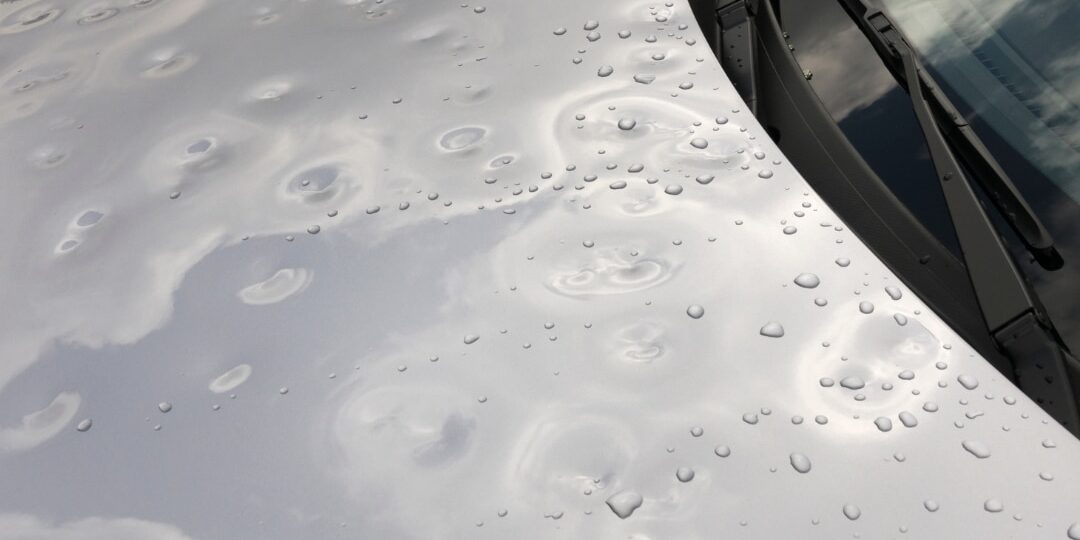
- Take clear photos of all visible dents, roof damage, hood damage, and broken glass
- Capture wide-angle shots and close-ups from multiple angles
- Photograph the surrounding area and weather conditions if possible
Even damage that seems cosmetic should be documented. Hail often causes subtle dents that can be overlooked during quick inspections.
Step 2: File Your Insurance Claim Promptly
Contact your insurance provider as soon as possible after the storm. Many policies have recommended reporting windows, and delays can complicate the claims process.
When filing, be prepared to provide:
- Your policy number
- Date and approximate time of the hailstorm
- Location where the vehicle was parked
- Photos or videos of the damage
Once filed, your insurer will assign a claim number and explain the next steps.
Step 3: Vehicle Inspection and Adjuster Assessment
Insurance companies typically require an inspection to determine repair costs. This may involve:
- An in-person adjuster inspection
- A virtual photo-based estimate
- A referral to an inspection center
The adjuster evaluates the damage and determines whether repairs are approved or if the vehicle qualifies as a total loss.
What Is a Total Loss?
If the cost to repair your vehicle exceeds its Actual Cash Value (ACV), the insurance company may declare it a total loss. In that case, you would receive the ACV payout minus your deductible rather than repair coverage.
Step 4: Choosing Your Repair Shop
Many insurance companies provide a list of preferred repair facilities, but you are not required to use them. You have the right to choose the shop that repairs your vehicle.
For hail damage, paintless dent repair specialists are often the best option when paint integrity remains intact. PDR focuses specifically on restoring hail dents without repainting, fillers, or panel replacement, helping preserve factory paint and long-term vehicle value.
Step 5: Repair Authorization and Payment
Once the repair estimate is approved:
- Insurance pays the approved amount directly or issues a payment, depending on policy terms
- You pay your deductible to the repair facility
- Repairs begin based on the approved scope of work
If additional damage is discovered during repairs, a supplemental claim may be submitted to the insurer for approval.
Will a Hail Claim Raise My Insurance Premium?
Hail is considered a weather-related event rather than a driving-related accident. A single hail claim typically does not cause a dramatic premium increase. However, repeated claims over time may influence your insurer’s risk assessment.
For borderline damage close to your deductible amount, it may be worth discussing options with a repair professional before filing.
Why Professional Hail Repair Matters?
Delaying repairs or choosing improper repair methods can result in:
- Lower resale or trade-in value
- Paint deterioration over time
- Rust development in affected panels
Paintless dent repair is widely accepted by insurance companies because it restores damage efficiently while maintaining factory finishes.
How KCL Creations Supports the Insurance Process?
KCL Creations works directly with insurance providers to help Northern Colorado drivers navigate the claims process with confidence. From documentation support to repair coordination, our team helps reduce delays and confusion so you can focus on getting your vehicle back to pre-storm condition.
We specialize in auto hail repair using paintless dent repair techniques designed to protect long-term value and reduce unnecessary repair costs.
Schedule Your Auto Hail Repair Consultation
If your vehicle was impacted by a recent hailstorm, don’t wait for damage to worsen or claim deadlines to approach. Contact KCL Creations today to schedule a professional hail damage assessment. Our experienced team will help you understand your claim, evaluate repair options, and restore your vehicle with care and precision.
Frequently Asked Questions:
Do I need comprehensive insurance to file a hail claim?
Yes. Hail damage is covered under comprehensive coverage, not liability or collision.
How long do I have to file a hail damage claim?
Most insurers recommend filing as soon as possible, though exact timelines vary by policy.
Can I choose my own repair shop for hail damage?
Yes. You are legally allowed to select the repair shop you trust.
What if new damage is found during repairs?
Additional damage can be documented and submitted to insurance as a supplemental claim.
Is paintless dent repair approved by insurance companies?
Yes. PDR is commonly approved because it restores damage efficiently without repainting.
Will my vehicle lose value if hail damage goes unrepaired?
Yes. Unrepaired hail damage can negatively impact resale value and long-term condition.