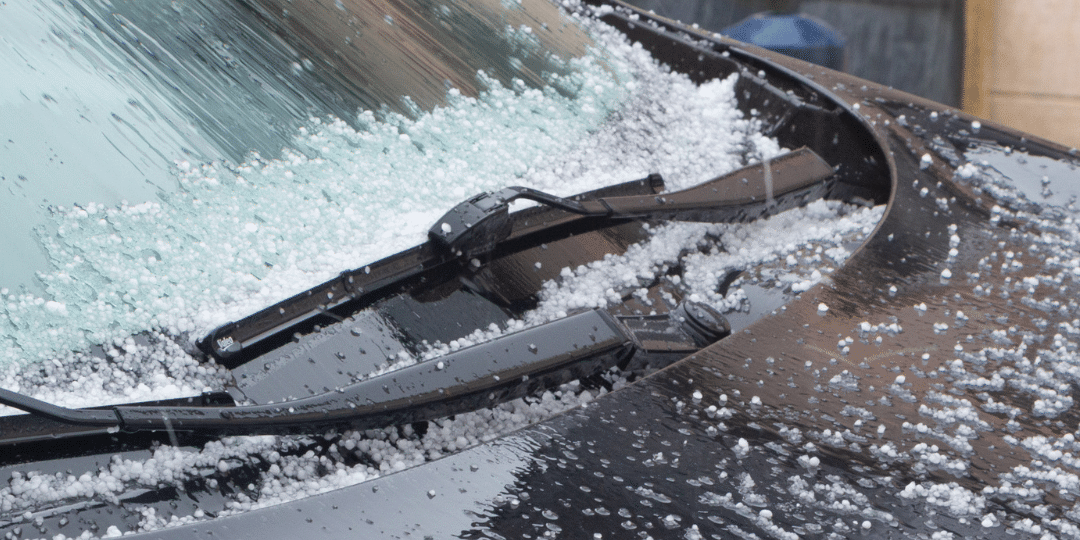
When most drivers think about hail damage, they picture dents scattered across the hood or roof. While visible body damage is common, hailstorms can impact much more than painted panels. Glass, trim components, safety systems, and even structural elements may be affected – sometimes in ways that aren’t immediately obvious.
Understanding the full scope of hail damage is critical to protecting your vehicle’s safety, value, and long-term performance. At KCL Creations in Loveland, CO, we encourage vehicle owners to look beyond surface dents and schedule a thorough inspection after any major storm.
The Damage You Can See – and the Damage You Can’t
Hail varies in size and velocity, and severe storms can create widespread impact points across multiple areas of your vehicle. While dents are often repairable through Paintless Dent Repair (PDR), hidden problems may require careful evaluation.
1. Glass Damage and Compromised Safety
Hail frequently strikes windshields, rear glass, and sunroofs with significant force. Even if the glass doesn’t shatter immediately, small chips or hairline cracks can:
- Spread over time due to temperature changes
- Weaken structural integrity
- Reduce visibility
- Compromise rollover protection
Modern windshields are part of your vehicle’s structural safety cage. Damage left unaddressed can weaken that protection in the event of an accident.
Sunroofs are particularly vulnerable. A cracked or weakened sunroof may not fail immediately, but it can become a costly issue later if ignored.
2. Trim, Moldings, and Water Intrusion
Exterior trim components – including window belt moldings and rubber seals – can also take direct impact from hail. Many trim pieces contain internal metal layers beneath rubber coatings. When dented or compromised, they may allow water to seep inside.
Moisture intrusion can lead to:
- Interior water damage
- Mold or odor issues
- Corrosion beneath panels
- Electrical malfunctions
Because trim damage is less noticeable than dents, it often goes unchecked until secondary problems develop.
3. ADAS Systems and Sensors
Modern vehicles rely heavily on Advanced Driver Assistance Systems (ADAS). Cameras and sensors are often mounted in:
- Windshields
- Bumpers
- Side mirrors
- Roof panels
Hail impact can knock these components out of calibration or damage them entirely. A malfunctioning sensor may affect:
- Lane departure warnings
- Adaptive cruise control
- Forward collision alerts
- Parking assist systems
Even minor misalignment can reduce system accuracy. An inspection following a hailstorm ensures your safety technology is functioning properly.
4. Corrosion and Electrical Issues
When hail breaches paint or chips clear coat protection, exposed metal becomes vulnerable to rust. Colorado’s changing weather conditions can accelerate corrosion once moisture penetrates damaged areas.
Additionally, water entry through compromised seals can affect wiring harnesses or electronic components. Electrical problems may not appear immediately but can surface weeks or months after the storm.
Early evaluation prevents small issues from escalating into expensive repairs.
Why Immediate Inspection Matters?
Even if your vehicle only appears to have minor dents, a professional hail damage assessment can identify hidden problems before they worsen.
Prompt inspection helps:
- Preserve vehicle value
- Prevent rust and corrosion
- Protect safety systems
- Simplify insurance documentation
- Avoid long-term mechanical failures
At KCL Creations, our experienced technicians evaluate the full scope of hail damage – not just visible dents – to ensure your vehicle receives proper care.
Paintless Dent Repair for Body Damage
When paint remains intact, Paintless Dent Repair (PDR) is often the preferred solution for hail-damaged panels. PDR allows us to carefully reshape metal without sanding, fillers, or repainting.
Benefits of PDR include:
- Preserving original factory paint
- Faster turnaround times
- Lower overall repair costs
- Maintaining resale value
However, PDR is only one part of the equation. A complete hail damage strategy addresses glass, trim, sensors, and structural areas as well.
Choosing the Right Repair Specialist
Insurance companies may provide a list of preferred repair facilities, but you are not required to use them. Hail damage is different from collision damage and requires specialized expertise.
Working with a dedicated hail repair specialist ensures:
- Accurate documentation
- Proper damage evaluation
- Coordination with insurance providers
- Repairs completed to high standards
At KCL Creations, we work directly with insurance companies to streamline the claims process while prioritizing proper repairs.
Protect Your Vehicle After the Storm
Hail damage goes far beyond surface dents. From cracked glass and damaged trim to misaligned sensors and hidden corrosion, storms can leave lasting effects if not addressed promptly.
If your vehicle has been exposed to a recent hailstorm in Northern Colorado, a professional inspection is the best way to safeguard its safety and value.
Schedule Your Hail Damage Evaluation Today
KCL Creations in Loveland, CO, specializes in comprehensive auto hail repair using advanced Paintless Dent Repair techniques. Our team carefully evaluates visible and hidden damage to ensure your vehicle is properly restored.
Contact KCL Creations today to schedule your hail damage assessment and protect your vehicle from long-term issues. Call us or submit an online request to get started.
Frequently Asked Questions:
1. Can hail damage affect more than just body panels?
Yes. Hail can damage windshields, sunroofs, trim pieces, sensors, and structural components in addition to causing dents.
2. How do I know if my vehicle has hidden hail damage?
A professional inspection is the best way to identify hidden issues such as sensor misalignment, seal damage, or corrosion beneath panels.
3. Is chipped paint from hail a serious issue?
Yes. Once paint is compromised, exposed metal can rust quickly, especially in changing weather conditions.
4. Does insurance typically cover glass and trim damage from hail?
Comprehensive insurance policies often cover hail-related damage, including glass and trim. Coverage details vary by policy.
5. Is Paintless Dent Repair enough to fix all hail damage?
PDR is ideal for dents where paint remains intact. However, additional repairs may be necessary if glass, sensors, or structural components are damaged.