

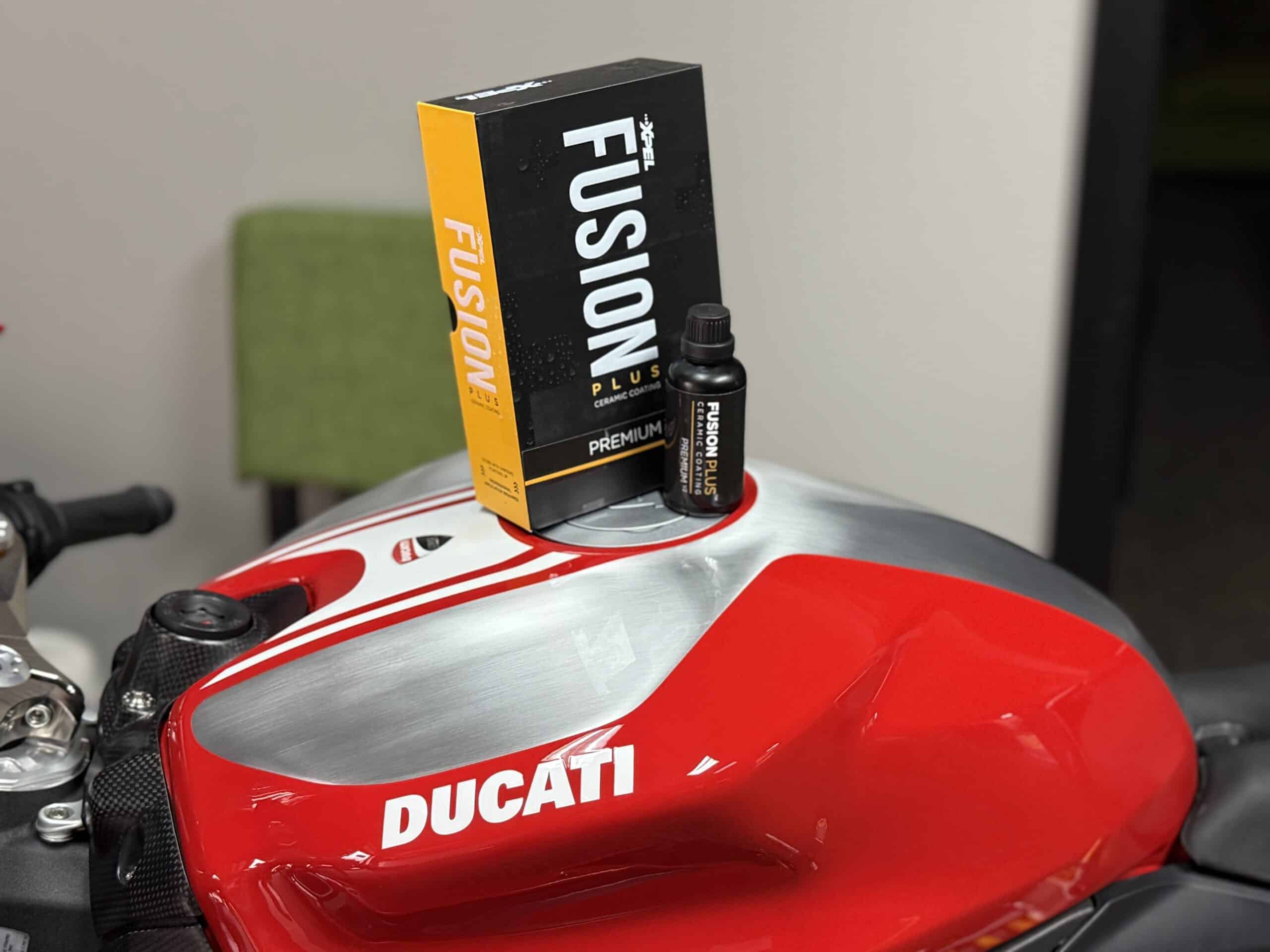
ceramic coating
Ceramic Coating vs. Graphene Coating: Which One Is Right for Your Vehicle?
When it comes to long-lasting paint protection, ceramic coating has been

First Class Customer Service
15% discount for military and first responders
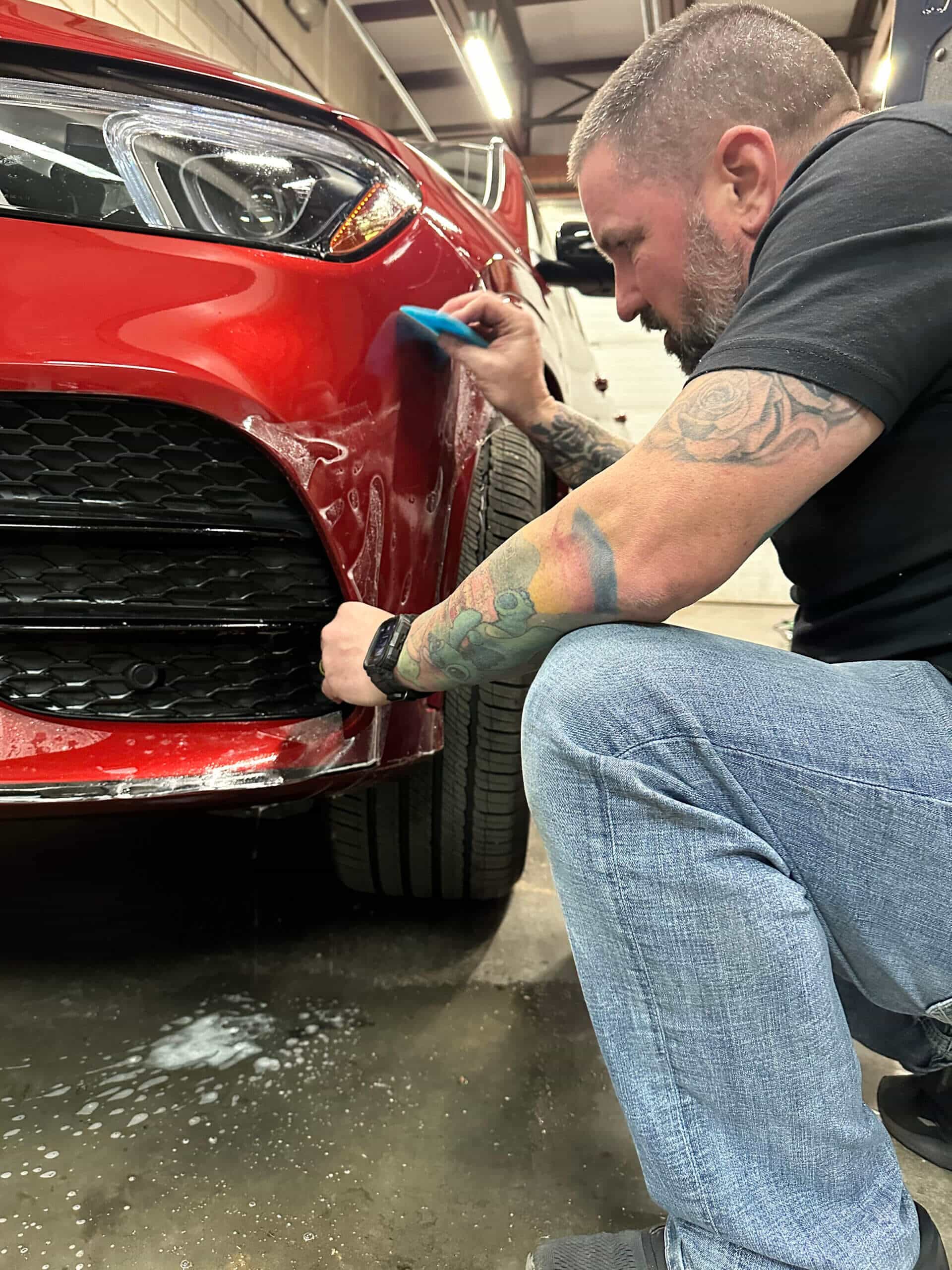
KCL Creations Paintless Dent Removal, founded in 2003, specializes in providing top-quality window tint solutions. Since 2003, we have expanded our services to now offer high-quality, eco-friendly solutions for automotive dent repair with paintless dent removal. Our team of skilled installers also offer paint protection film (PPF or Clear Mask) ceramic coating, and paint correction. We also provide auto hail repair, large dent repair, luxury car dent repair, motorcycle dent repair, door dings repair, auto body repairs and mobile paintless dent repair services.
Our expert team is dedicated to restoring vehicles to their original condition without the need for costly and time-consuming traditional bodywork, as well as providing superior ways of protecting the luster and value of your vehicles for years to come. With over two decades of experience, we pride ourselves on our precision, customer satisfaction, and commitment to innovative techniques that preserve the value and integrity of your vehicle.
Trust KCL Creations for seamless, efficient, and reliable paintless dent removal, paint protection, window tint, and ceramic coating services in Loveland, CO, and nearby areas.
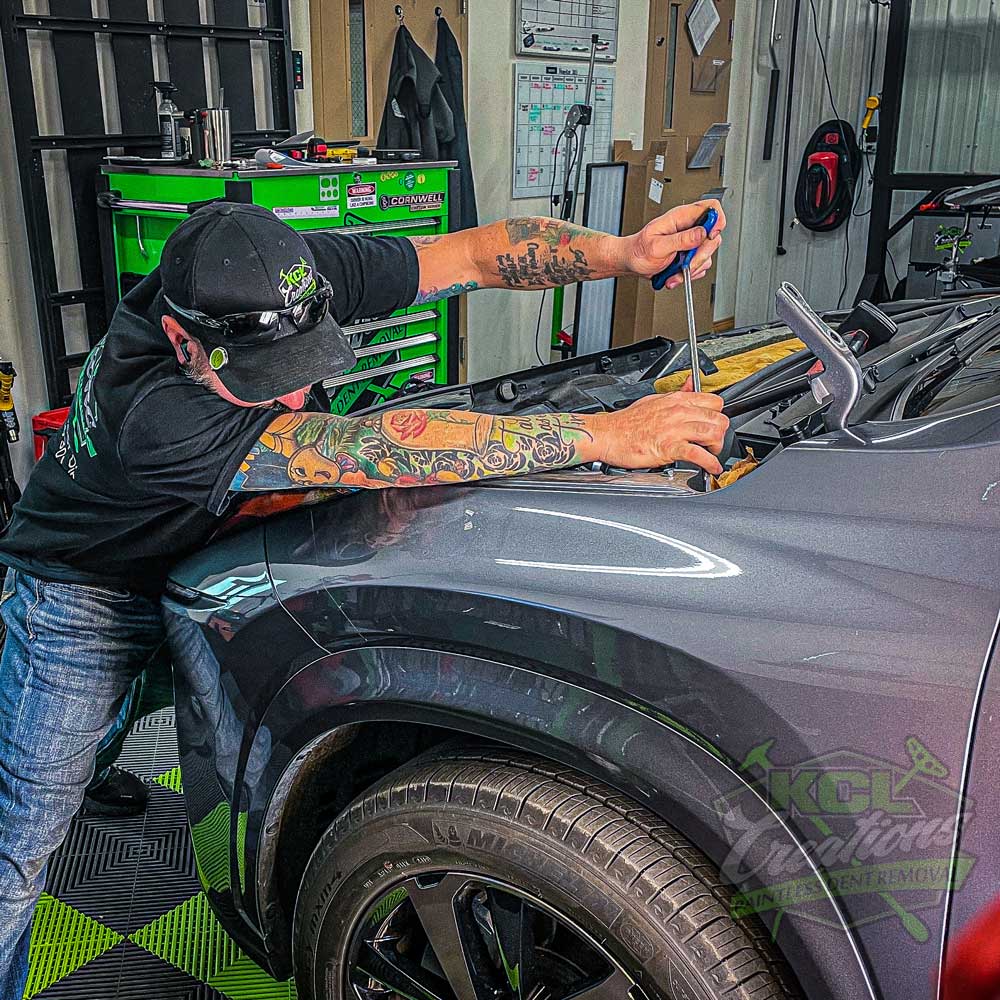
S.M.A.R.T. PDR stands for Small Medium Area Repair Technology for Paintless Dent Repair. This process is an environmentally-friendly dent repair method that can restore your vehicle to its original condition without the need of costly panel replacements or a lengthy repair time. Whether you have a Tesla, Lexus, classic car, BMW, Mercedes, Audi, Acura, or Rivian, our skilled technicians are equipped to handle your paintless dent repair needs.




Get Top-of-the-Line Paintless Dent Repair in Northern Colorado
Drivers who want the highest quality, most professional finish and trustworthy repairs, choose Paintless Dent Repair (PDR) from KCL Creations. In order to give your car, truck, or van the very best, we employ PDR to:



Posted on Google
When it comes to long-lasting paint protection, ceramic coating has been
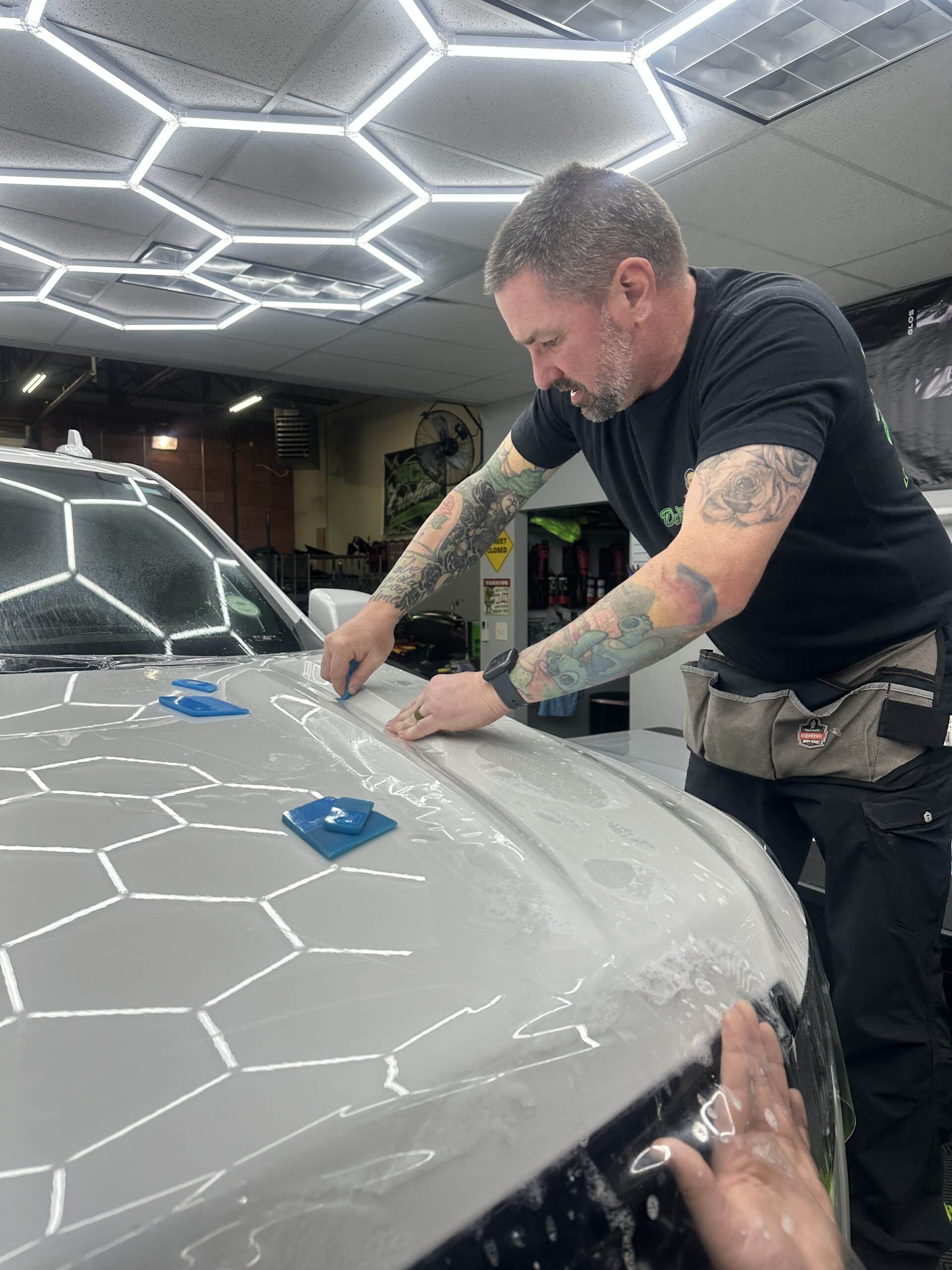
If you have ever looked into paint protection film for your
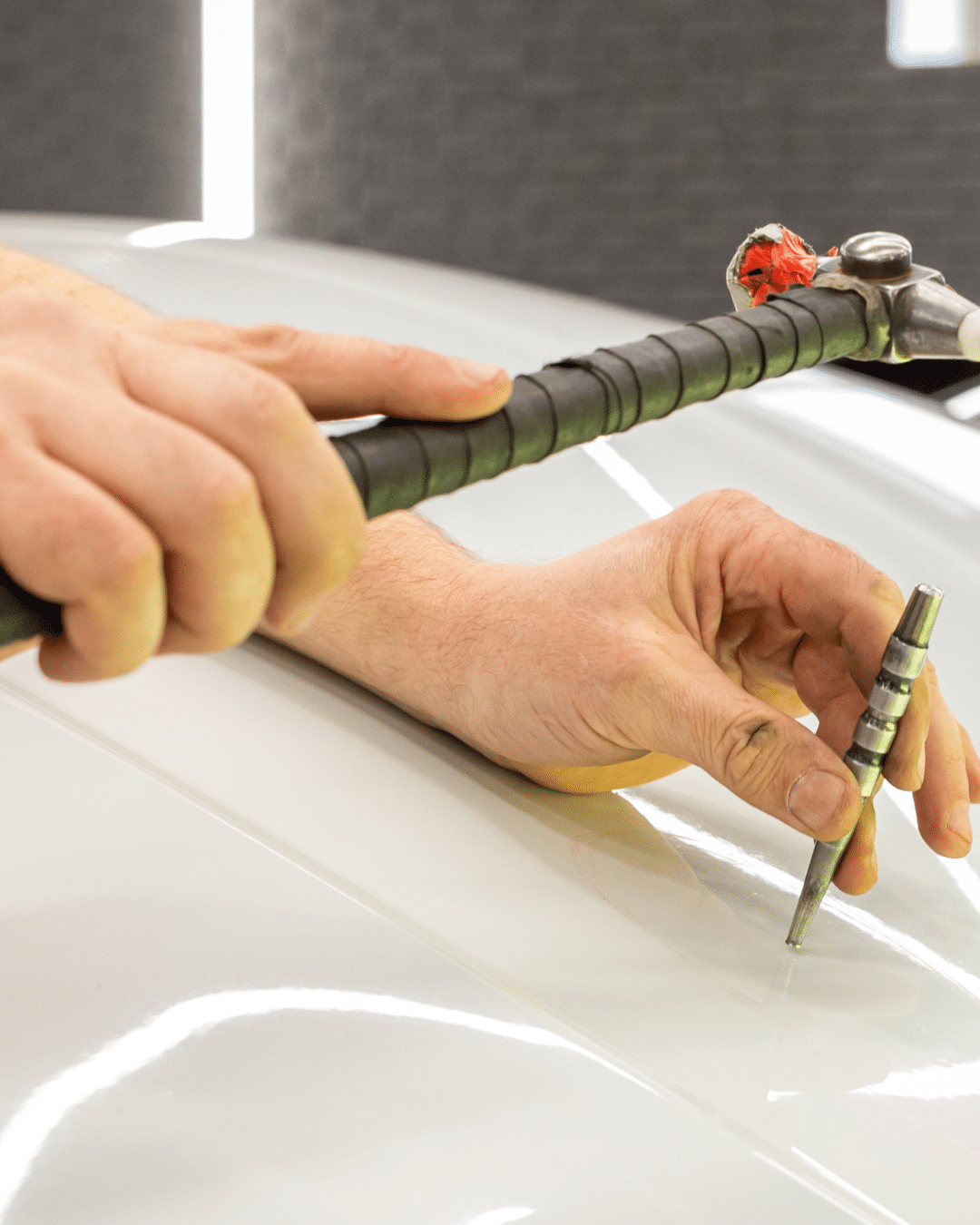
When most drivers think about dent repair, they assume that larger dents automatically
We also offer services in various locations, including Greeley, Ault, Eaton, Windsor, Berthoud, Milliken, Timnath, Fort Collins, Wellington, Erie, Boulder, Pierce, Nunn, Johnstown, Brighton, Westminster, Longmont, Thornton, Colorado Springs, and Northern Colorado.
KCL Creations is conveniently located at 591 North Denver Ave, Loveland, CO 80537, offering professional automotive restoration and vehicle protection services to customers throughout Loveland, Fort Collins, and the greater Northern Colorado area.
We offer a full range of services, including Paintless Dent Repair (PDR), Auto Hail Repair, Large Dent Repair, Mobile Paintless Dent Repair, Door Dings, Luxury Car Dent Repair, Motorcycle PDR, SMART Repair, Ceramic Coating, Paint Protection Film, Vehicle Window Tinting, Paint Correction, and Auto Body Repairs.
KCL Creations is based in Loveland, CO (80537, 80538) and serves all of Northern Colorado and beyond, including Fort Collins (80521–80528), Greeley (80631–80639), Windsor (80550, 80551), Longmont (80501–80504), Boulder (80301–80310), Berthoud (80513), Wellington (80549), Timnath (80547), Eaton (80615), Milliken (80543), Johnstown (80534), Severance (80615), Ault (80610), Pierce (80650), Nunn (80648), Erie (80516), Brighton (80601–80603), Westminster (80020–80031), Thornton (80229, 80233, 80241), Colorado Springs, and Cheyenne, WY (82001, 82007). View our full service area.
PDR is faster, more affordable, and preserves your vehicle’s original factory paint, which helps maintain its overall resale value without the need for fillers or repainting.
Yes, we have been providing expert SMART repairs since 2011, and our team is fully insured and certified to handle even the most complex automotive repairs.
Yes, we offer a 15% discount to all military personnel and first responders as a thank-you for their service to our community.
You can contact us via our online form or call (970) 292-6817 for a fast estimate on your vehicle’s repair or protection needs.
Paintless Dent Repair (also known as PDR) is the technique of gently massaging the metal surface from the back side of the dented panel to remove the damage back to a pre-loss condition. This process allows for the repairs to be done in most cases without the need to repaint or replace the damaged panels. The process of PDR is much safer and faster than the conventional auto body repair method.
1. Faster repair process saves you time. 2. In most cases, PDR can be more cost-effective than conventional repair. 3. PDR is a much less invasive repair to the vehicle. 4. PDR can help to save or maintain your factory seals, corrosion protection and paint finish. 5. PDR most of the time will not show up on a CARFAX report unless an insurance claim is filed.
No, steel and chrome bumpers are generally too thick for the repair tools and processes we use.
No. PDR is actually highly preferred and recommended by most vehicle manufacturers and insurance companies.
Yes. PDR is preferred by most insurance companies as a valid repair process.
Yes, we do offer mobile services. On dent repairs of $150-$300 within 20 miles of our shop location. Most dent repairs greater than $300 will need to be repaired in the shop due to length of time and possible special techniques and tools required to complete the repair.
Yes, but on a case-by-case basis. We have had great success in repairing or removing dents that are in plastic bumpers.
Yes, but on a case-by-case basis. We have had great success in repairing or removing dents that are in plastic bumpers.
Yes, we have specialized tools and stands to help us access and repair most motorcycle dents.
We work with all major insurance companies in our local areas. However we do not accept any claims with The General Automobile Insurance Services Inc. (aka “The General”) company.